This can cause both acute and long term nasal blockage symptoms. In some patients it may contribute to the development of nasal polyps which further obstructs the nasal airway. Allergy causes swelling of the lining (mucosa) of the nose and after a long period of allergen exposure, the lining can become permanently enlarged. The mucosal swelling can result in secondary drainage problems of the sinuses which in turn can result in infection.
Patients with severe allergies may develop acute nasal blockage symptoms together with sneezing, itchy feeling in the nose, watery nasal discharge, and associated eye and throat irritation. Common allergies include those to grass pollens, house dust mites, and animal dander. Diagnosis can be made on the history but skin prick testing with RAST blood testing usually confirms the nature and extent of allergies. Treatment involves allergen avoidance, oral anthistamines, topical steroid sprays and more recently consideration of immunotherapy options.
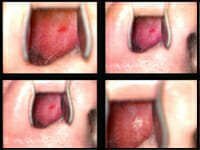
In many instances, application of antibiotic ointments such as Bactroban on a twice-daily basis for two weeks can resolve nosebleeds in a significant proportion of children, however, in those in whom it is persistent, cauterisation of the blood vessels by your nose surgeon is a successful technique in the outpatient setting using silver nitrate. This is done following application of a local anaesthetic nasal spray. Usually, both sides of the septum are not cauterised at the same time in order to avoid the small risk of septal perforation. It is also often the case that cauterisation needs to occur on at least three separate occasions spaced up by six weeks for the best long term outcome.
