The majority of patients with deviated nose/septum have no history of injury. However, those who play contact sports, or have a road traffic accident, may have injured the nose and the bones/cartilages may have healed in a displaced manner. This can result in nasal airway blockage with possible related sinus problems. Another consequence is an aesthetic deformity. Occasionally the irregularities can result in pain across the nasal bridge and resting spectacles or sun glasses on the nasal bridge can be uncomfortable.
When the injury is within 3 weeks of occurring, it is sometimes possible to reposition the nasal bones. This is called Manipulation under Anaesthesia (MUA) of fractured nose. Although it should be done within 3 weeks of the injury, if it is later than this, sometimes the recently set bones can be carefully re-broken using a specialised chisel like instrument (osteotome).
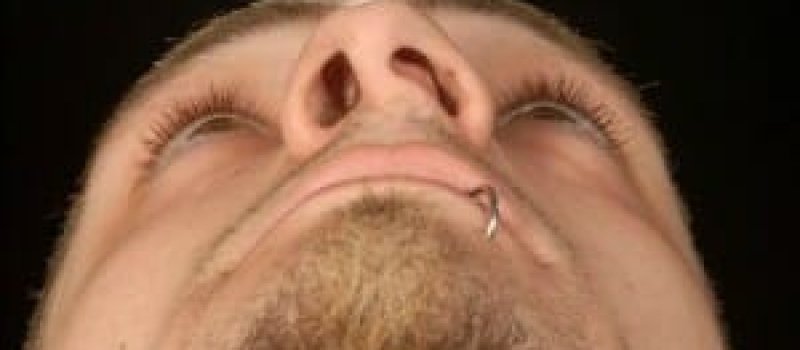
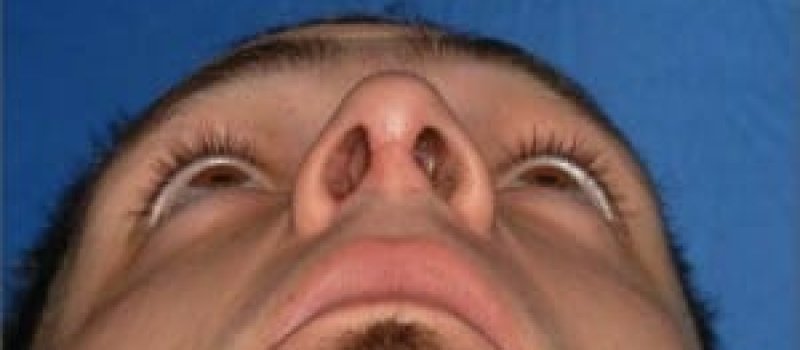
On some occasions, the post-traumatic nasal deformity requires a formal Septo-Rhinoplasty procedure to correct the deformity. This is done under general anaesthetic by a nose surgeon.
Most septal deviations can be managed by a procedure called Septoplasty. Here an incision is made just inside the nostril and the septal cartilage is repositioned into the midline. In severely deviated cartilage is repositioned into the midline. In severely deviated cartilages, an open procedure is necessary.
Please visit www.londonrhinoplasty.com which is another site with details of Mr Patel’s work on nasal surgery.
